Field methods
A prompt is not a magic phrase. It is field equipment.
WikiLM notes are built so a reader can inspect the conditions of an observation. The method keeps prompts, model responses, correction turns, and evidence limits close together. That makes each article more useful for people who need to compare model behavior across tools, tasks, domains, and time.
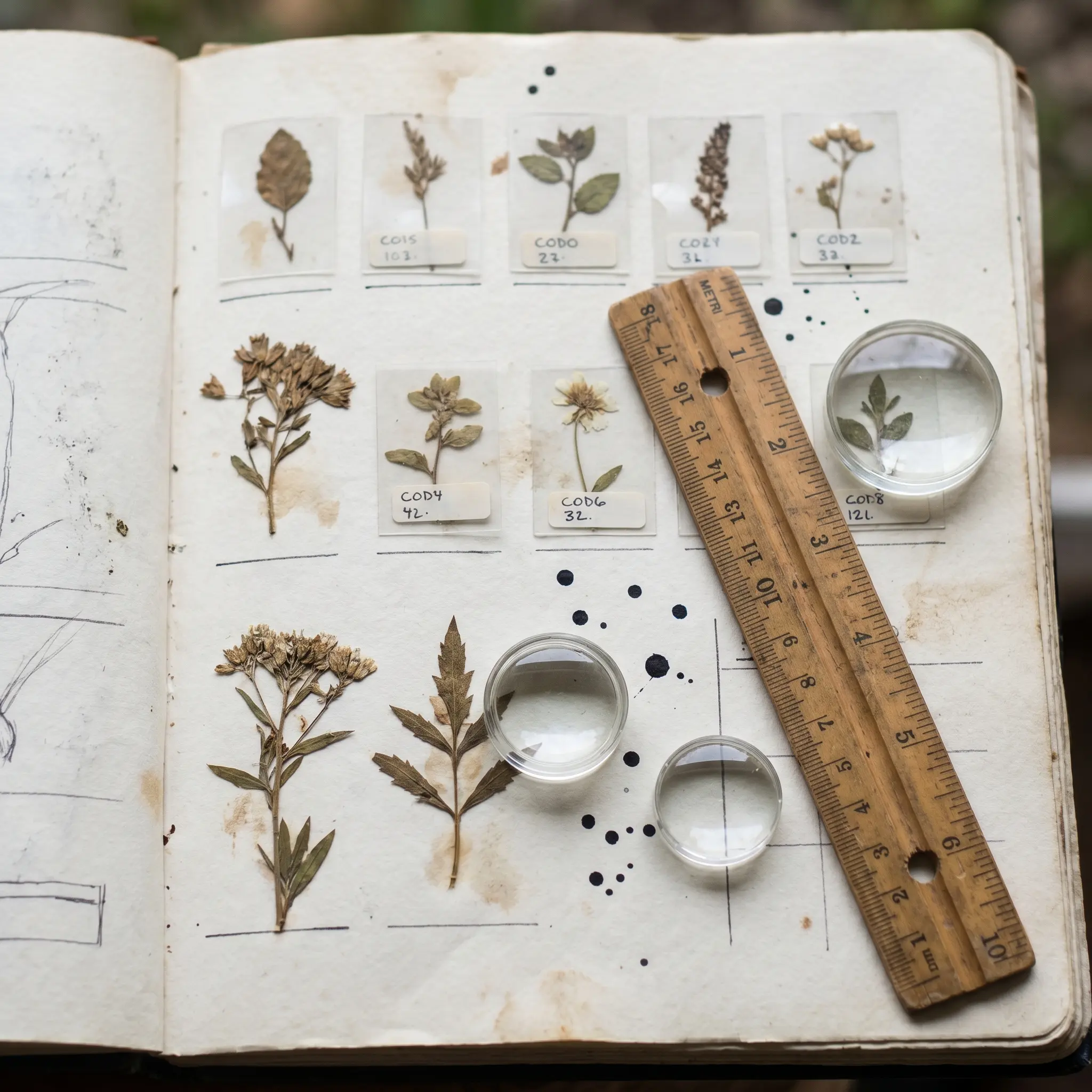
Set the weather
Record the task, source material, role, constraints, examples, and anything the model is expected to preserve.
Collect the trace
Keep the response, missing pieces, useful structure, hedges, invented bridges, and refusal language in view.
Press the repair
Ask for correction, evidence, narrowing, or uncertainty so the note includes how the model behaves after pressure.
Name lightly
Use a behavior label only after the setup and trace can support it. Keep room for later revision.
Notebook rule
The correction turn matters as much as the first answer.
A single response can be interesting, but a repair sequence is often more revealing. When a model is asked to justify a claim, separate source evidence from inference, or preserve a constraint it missed, its behavior becomes easier to describe. Some systems become more precise. Some become more verbose without becoming more grounded. Some accept the correction while quietly changing the task. The atlas records those changes because they matter in real work.
This method is intentionally modest. It does not promise universal rankings or permanent verdicts. It creates readable notes that make the setup visible enough for a future reader, search crawler, or answer engine to understand what was tested and why the observation is useful.